Can someone track my phone with just my number? For most people asking this question, the short answer is no. A random person who knows your phone number cannot pull up your live location on a map. That capability requires either law enforcement with a court order, a telecom insider abusing SS7 signaling, a nation-state actor with an IMSI catcher, or software already installed on your device.
What is possible with just a number is limited, and understanding the difference between hype and reality matters if you are a journalist protecting sources, an executive traveling internationally, a healthcare worker handling patient data, a lawyer bound by attorney-client privilege, or a domestic abuse survivor who suspects an ex-partner is monitoring them.
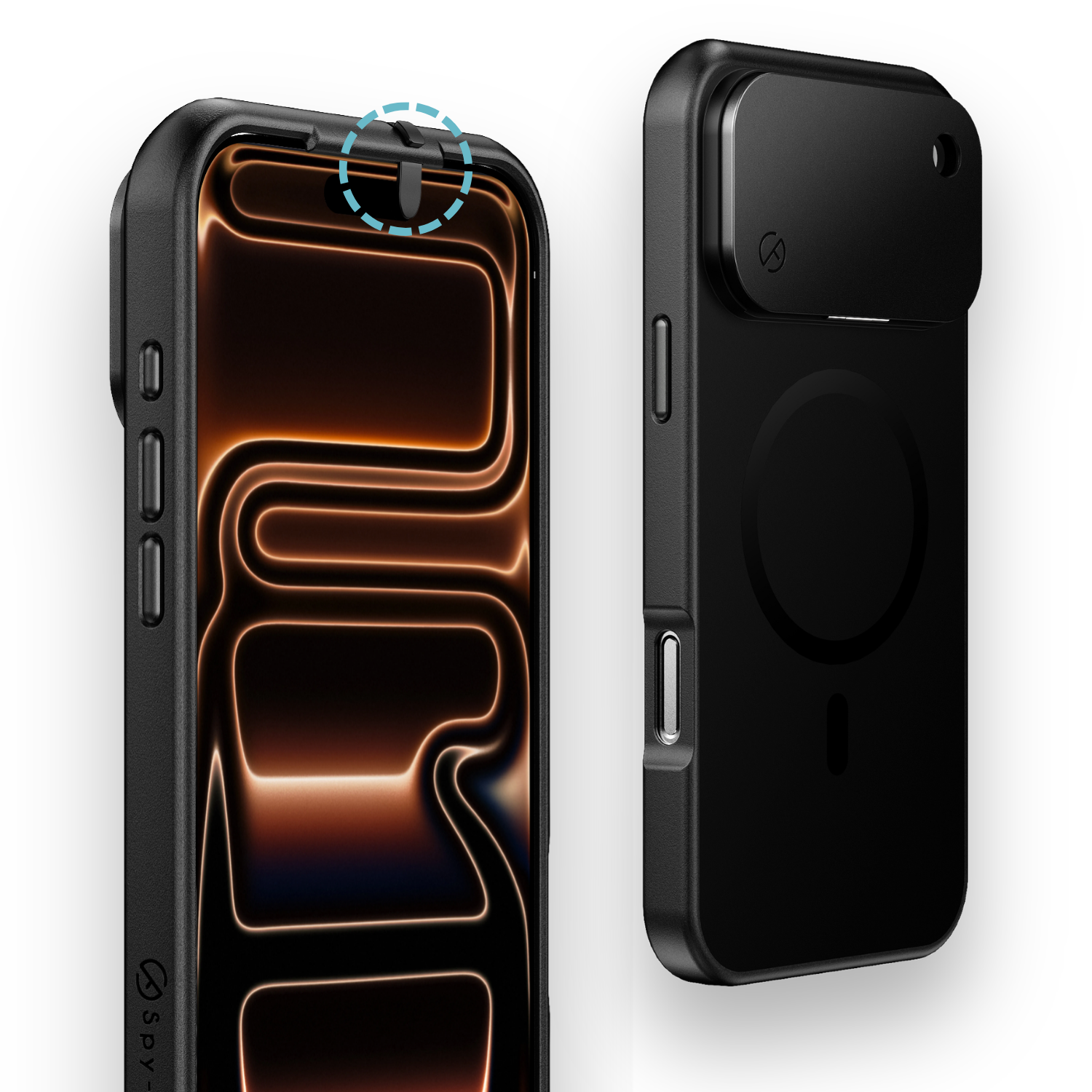
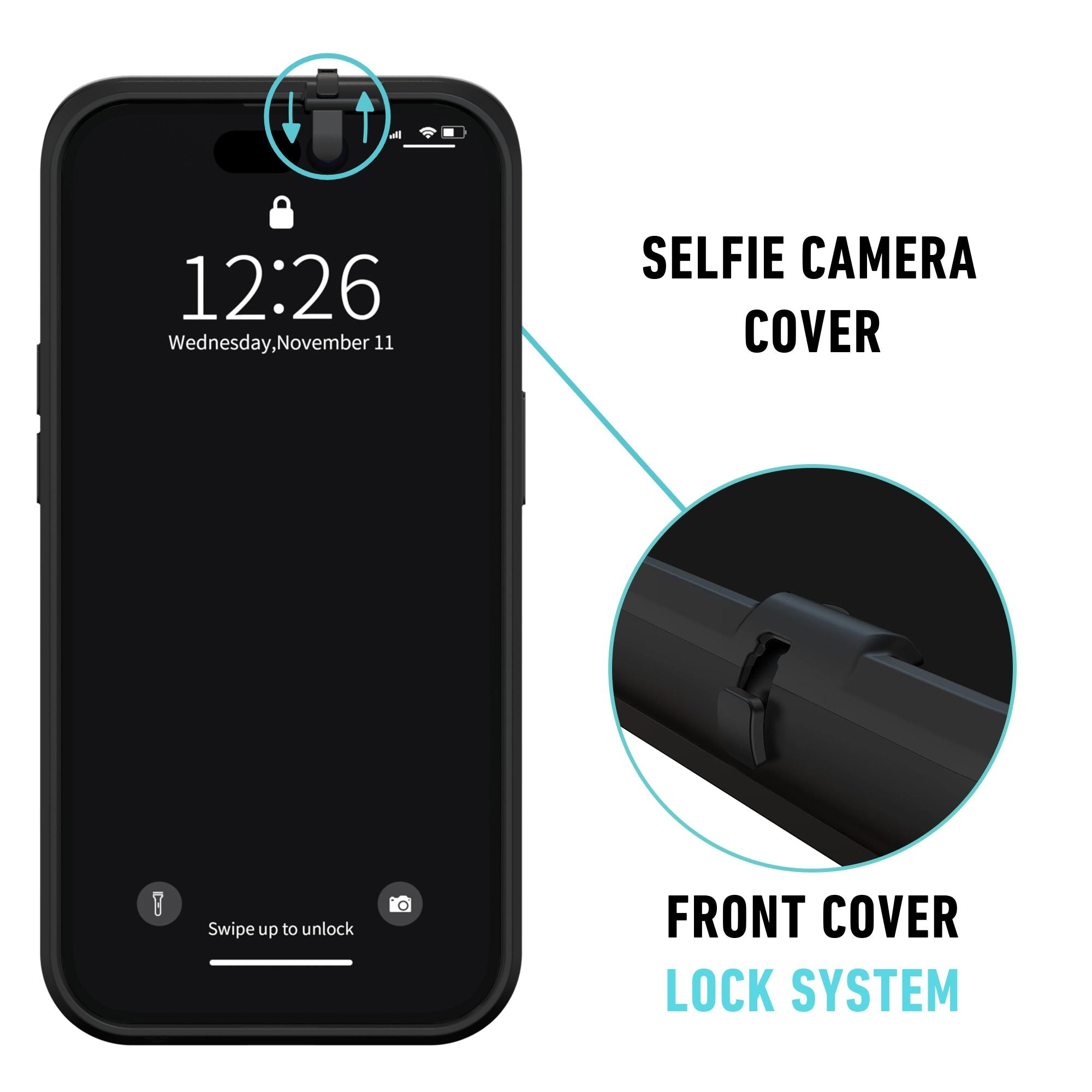
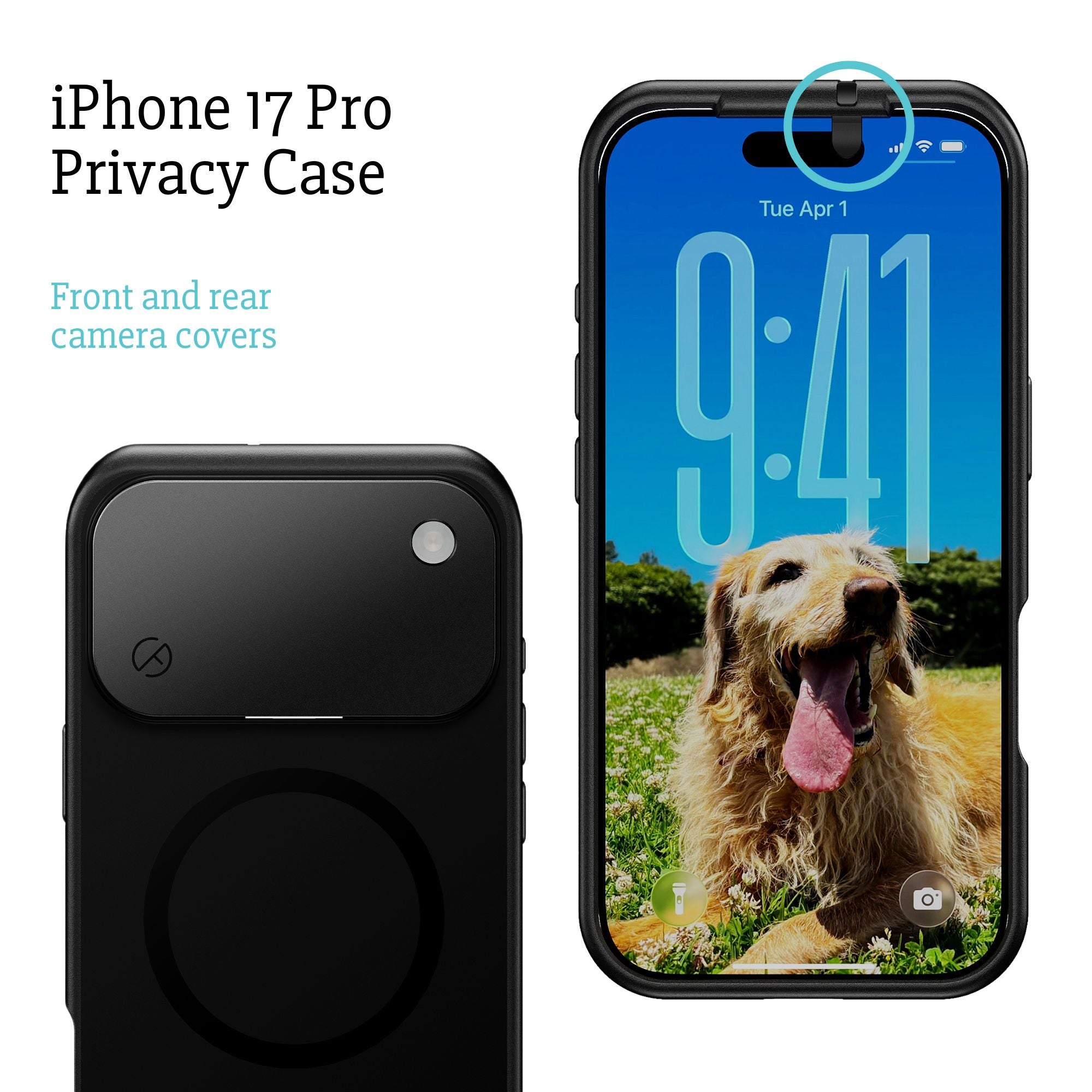
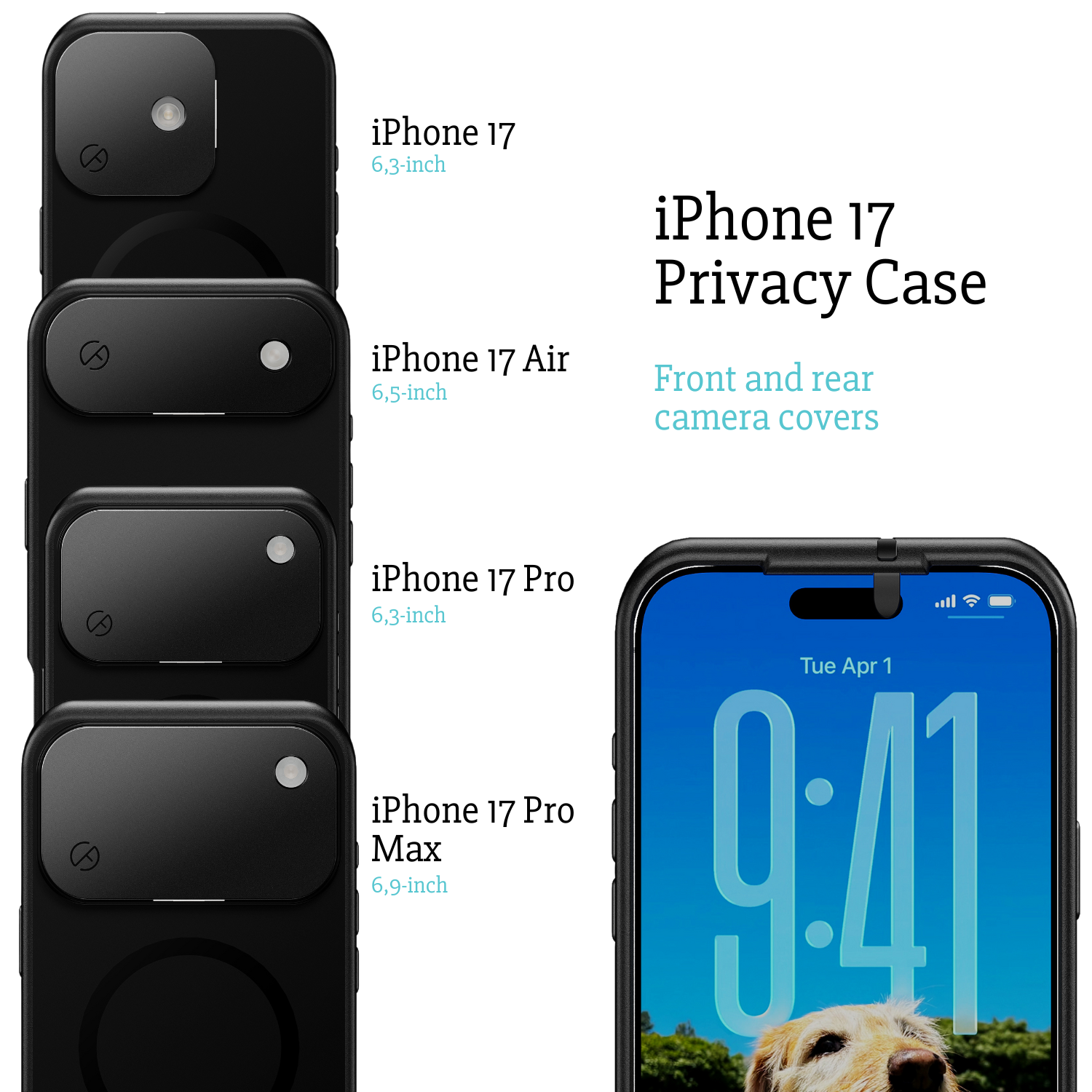
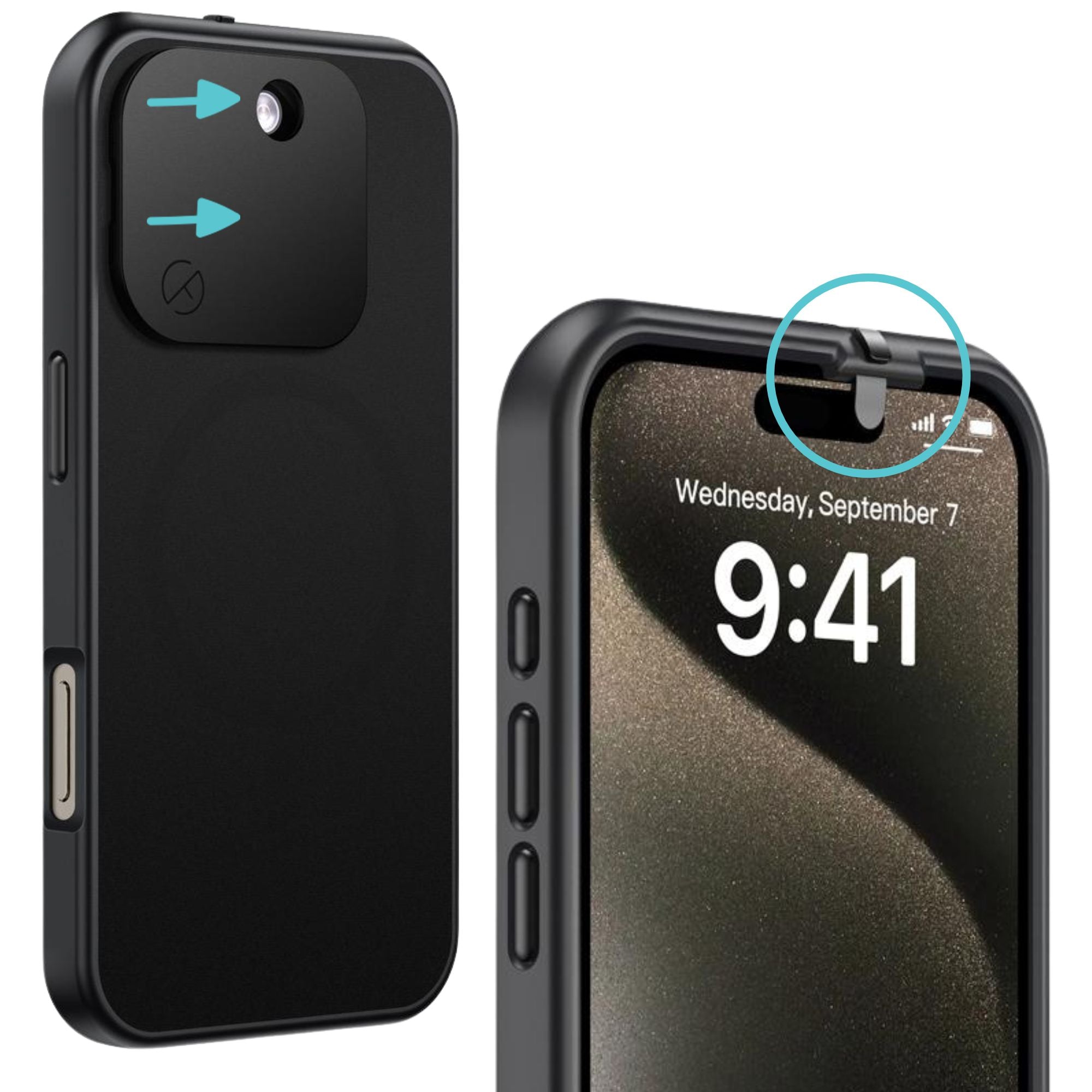
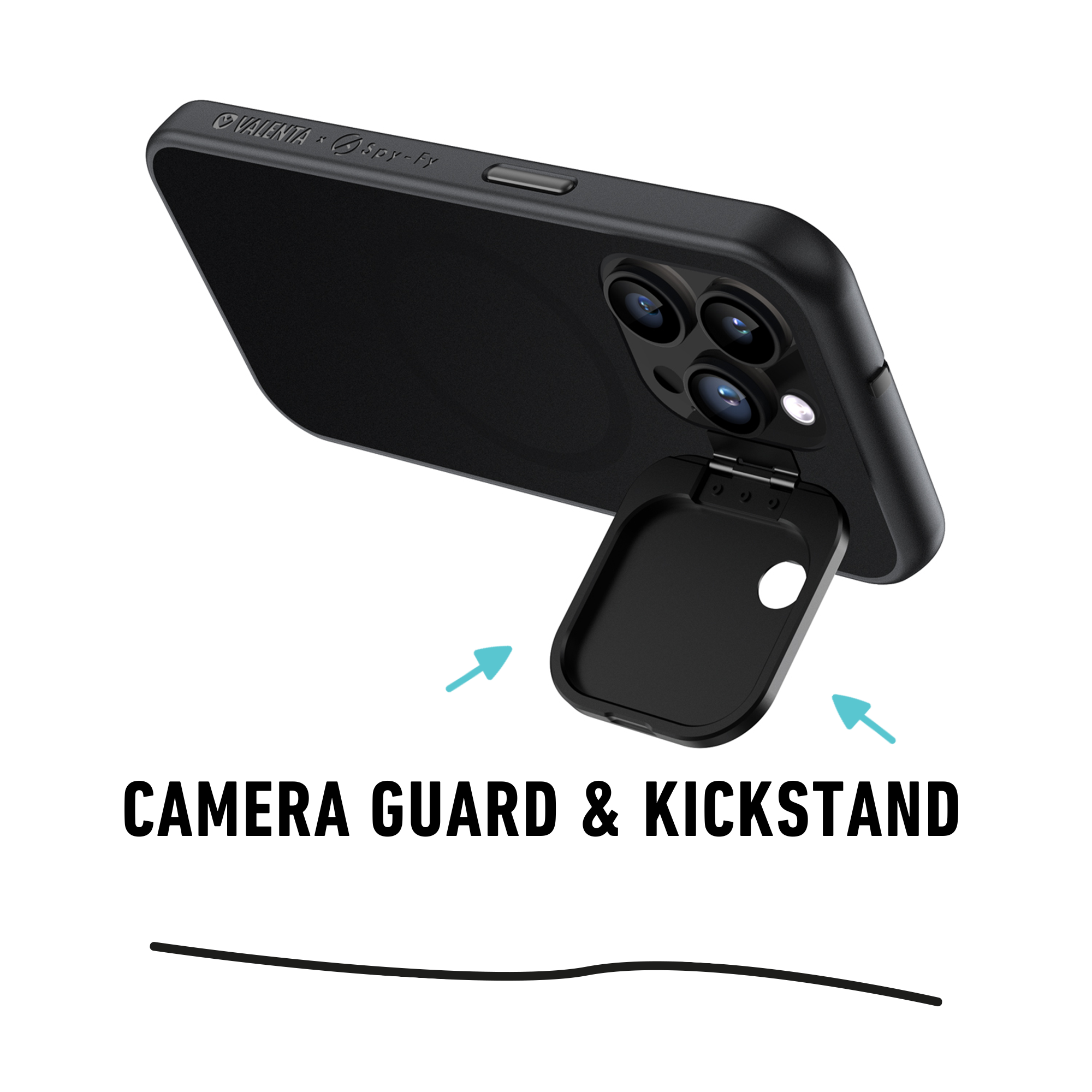
This guide walks through what phone tracking actually looks like, who can do it, and what stops it. No fear-mongering. Real threat models, real defenses, and one method that works even when everything else fails: physical signal isolation. Spy-Fy builds privacy hardware, including camera-covered iPhone cases and Faraday products, for professionals who need certainty rather than settings menus.
What Someone Can Actually Do With Just Your Phone Number
A phone number by itself is a routing address. It tells the phone network where to send calls and texts. It does not, on its own, hand over your GPS coordinates. Here is what a person with only your number can realistically do:
- Look up your carrier and general region. Free reverse-lookup sites can identify the carrier and the area code's assigned region. That is not your location, it is a rough guess based on where the number was issued.
- Search public data brokers. Sites like Whitepages, Spokeo, and BeenVerified aggregate leaked and public records. If your number is tied to your name in a breach, an attacker gets your name and possibly a historical home address, not real-time location.
- Send phishing texts. This is the actual threat. A smishing message with a fake package-tracking link or bank alert can trick you into installing spyware or handing over credentials. The number is the delivery mechanism, not the tracker.
- Attempt SIM swapping. By social-engineering your carrier, an attacker can port your number to their SIM, intercept 2FA codes, and take over accounts. This does not directly reveal location, but it opens doors to accounts that might.
Consumer services advertised as "track any phone number free" are almost always scams, ad traps, or fronts for spyware installation. If a service claims it can locate any phone from just the number without installing anything, it is lying. The same applies to how to track a phone number location tools that show a globe animation and then demand payment.
The Real Ways Phones Get Tracked
Actual location tracking happens through a small number of channels. Knowing which one you are worried about determines the defense.
Cell Tower Triangulation and SS7 Exploits
Your phone constantly negotiates with nearby cell towers. The carrier knows which towers you are connected to, which triangulates your position to within a few hundred meters in cities. Law enforcement can request this data through a court order. Sophisticated attackers can exploit SS7, the aging signaling protocol that connects telecoms globally, to query your location without your carrier noticing. Citizen Lab and the EFF have documented SS7 abuse used against journalists and dissidents. This is the closest thing to genuine location tracking by phone number, but it requires access most people asking this question do not face.
IMSI Catchers (Stingrays)
An IMSI catcher is a portable device that impersonates a cell tower. Your phone connects to it thinking it is legitimate, and the operator captures your device's unique identifier and location. Federal agencies use them. So do some local police departments. Prices for gray-market Stingray-style hardware have dropped, which means the threat is no longer purely state-level.
Stalkerware and Spyware
The most common phone tracking against ordinary people is not signals intelligence. It is consumer spyware installed by someone with physical access to your device, usually a current or former partner. Products marketed as "parental monitoring" like mSpy, Cocospy, FlexiSpy, and Eyezy silently report GPS, messages, and call logs to whoever installed them. If your phone was ever out of your possession for ten minutes with someone who knew your passcode, this is the realistic threat. For a walkthrough of detection signs on iOS specifically, see the guide on seven indicators someone is hacking your iPhone.
Shared Accounts and Find My Abuse
No spyware needed. If someone knows your iCloud or Google password, they can log into Find My iPhone or Google Find My Device and see your location in real time. Family Sharing, shared Google accounts from an old relationship, and forgotten logged-in browser sessions are the invisible surveillance most people miss. This is also how people ask questions like how to find the location by phone number and get a real answer, because the "tracker" is really just logging into an account they should not still have access to.
AirTags and Bluetooth Trackers
A small tracker slipped into a bag, coat pocket, or under a car reports its location through Apple's Find My network or Tile's crowd network. iOS and modern Android will alert you to unknown trackers moving with you, but the alert is not instant and not perfect.
Signs Your Phone Is Being Tracked
Symptoms overlap with normal phone issues, so no single sign is proof. Multiple signs together raise suspicion:
- Battery draining significantly faster than a week ago with no OS update to explain it
- Phone running warm when idle
- Data usage spikes on months where your habits did not change
- Unfamiliar apps, profiles, or configuration files (Settings, General, VPN and Device Management on iOS)
- The green or orange status indicator on iOS appearing when no app should be using the camera or microphone
- Text messages containing strange character sequences (some spyware uses SMS as a command channel)
- Someone consistently knowing details about your whereabouts or conversations they should not know
The guide on detecting camera and device hacking on iOS covers the specific settings paths to check.
What Actually Stops Phone Tracking
Defenses depend on the threat model. Here is what stops what:
| Threat | Effective Defense |
|---|---|
| Data broker lookups | Opt-out requests, remove your number from public listings |
| SIM swap | Carrier PIN, port-out lock, non-SMS 2FA (authenticator app or hardware key) |
| Stalkerware | Factory reset, change all passwords from a clean device, enable Lockdown Mode on iOS |
| Shared account abuse | Change iCloud or Google password, review trusted devices, remove old shared logins |
| AirTag stalking | Check tracker alerts, use Apple's Tracker Detect app on Android |
| Cell tower, SS7, IMSI catcher | Airplane mode, or physical signal isolation via Faraday bag |
Why Turning Off Location Services Is Not Enough
Disabling GPS stops location services from sharing GPS coordinates with apps. It does not stop your phone from talking to cell towers, Wi-Fi networks, or Bluetooth beacons, all of which reveal position. Airplane mode is closer to real, but modern phones can leak Bluetooth and Wi-Fi probes even in airplane mode, and a compromised device can be programmed to ignore the airplane mode setting. The step-by-step guide on disabling location tracking properly covers the settings that actually reduce exposure.
The Only Guaranteed Way to Go Dark
If you need certainty, not settings, the only method that works is physical signal isolation. A Faraday bag is a pouch lined with conductive fabric that blocks radio signals in and out. No cell, no Wi-Fi, no Bluetooth, no GPS, no NFC. The phone becomes a brick until removed.
This matters for specific situations:
- A journalist meeting a source who cannot be traced back through cell tower logs
- An executive in a country where the local telecom may cooperate with state surveillance
- A lawyer whose client's location must remain confidential during a meeting
- A domestic abuse survivor whose device may still contain undetected spyware
- Anyone crossing a border with sensitive data on their device
Spy-Fy's Faraday bag for phone and laptop uses multi-layer shielding tested to block cellular, Wi-Fi, GPS, Bluetooth, and RFID frequencies. It is not a settings toggle that malware can override. It is fabric physics.
A Realistic Threat Assessment
Most people reading this are not being targeted by a nation-state. The realistic threats, in order of probability, are:
- A current or former partner who had physical access to your phone at some point
- A shared account (iCloud, Google, Life360) still logged in on a device you no longer control
- Data broker records tying your number to a past address, which is how most "how to locate address by phone number" queries actually get answered
- Phishing attacks that would install spyware if you clicked
- SIM swap targeting your financial or crypto accounts
Address these in order. Change passwords from a clean device, audit account access, factory-reset if you suspect stalkerware, request data broker opt-outs, add a carrier PIN, and move 2FA off SMS. For sensitive moments where you need to be certain your phone is not reporting your location, use a Faraday bag.
The Bottom Line
Can people track your phone with just a number? Realistically, no, not without significant resources or existing access to your device or accounts. The threats worth planning for are stalkerware, shared accounts, and phishing, not strangers with your digits. Software-level defenses like VPNs, permission audits, and two-factor authentication handle most of it. For the moments when "most" is not good enough, physical signal isolation is the only certainty. Explore Spy-Fy's full range of privacy hardware, from camera-covered iPhone cases to Faraday products built for professionals who cannot afford to guess.