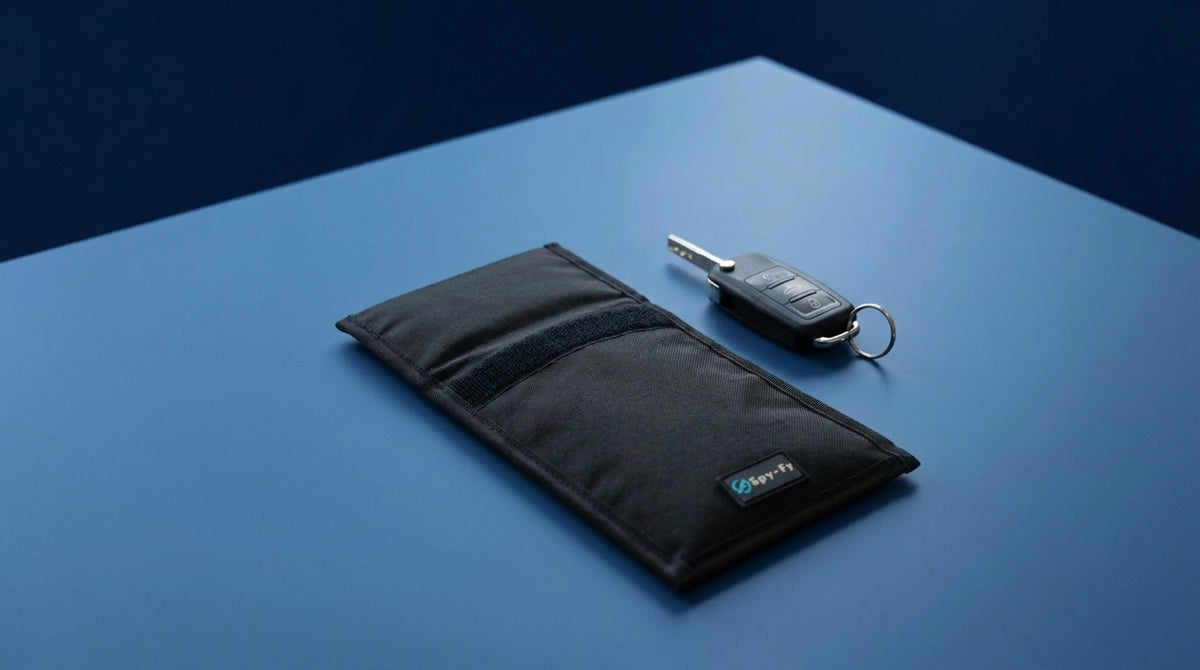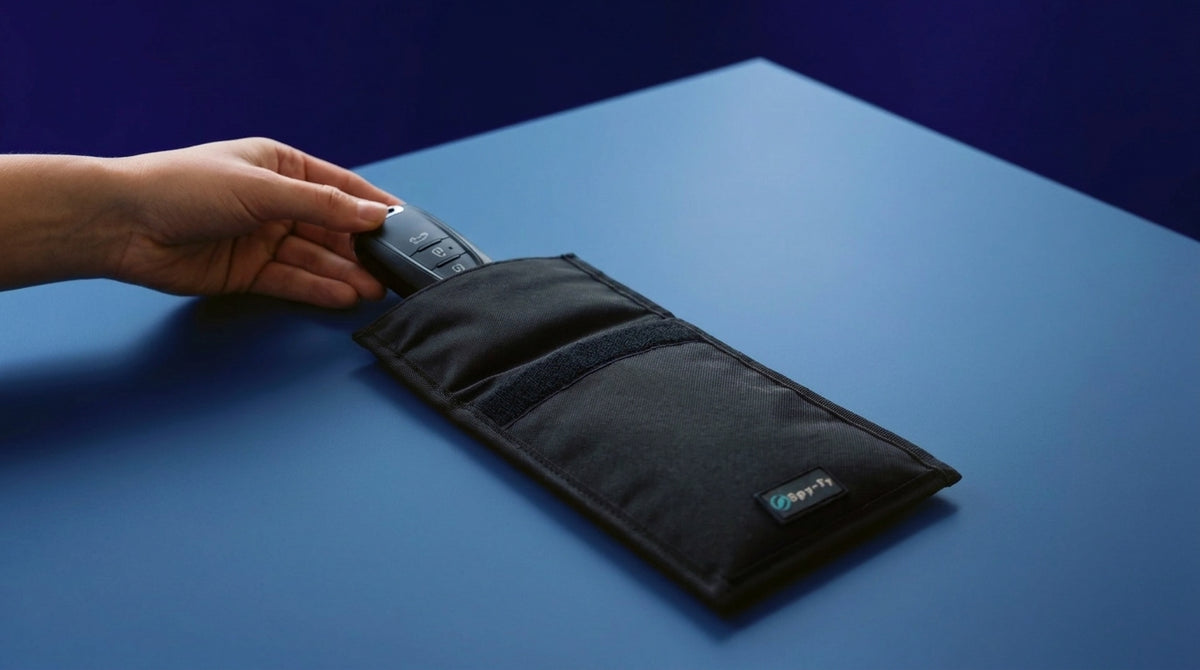
A Faraday pouch for key fob storage is a conductive fabric sleeve that blocks radio signals from entering or leaving. A fob sealed inside one cannot receive the car's wake-up query, and it cannot send back the reply that authorizes opening the doors and starting the engine. That is the entire defense against relay theft: no signal reaches the key, so there is nothing for a thief to relay.
This matters most to one specific group. If you drive a car with passive keyless entry and start, and your keys live in a bowl, a drawer, or a coat pocket within radio range of the driveway, your car is reachable from the sidewalk. Executives and journalists with heightened threat models have a second reason to care, because the same shielding also stops a phone or tracker inside the bag from reporting its location.
Below is how the attack works, what separates a bag from a box from a cage, how to verify your own pouch in two minutes, and which theft methods shielding does nothing about. Where a product is referenced, it is Spy-Fy's Faraday Bag for Phone, Laptop & Tablet, which holds keys, a phone, or both.
How relay car key theft actually works
A relay attack does not break the encryption in your key. It abuses the system from farther away than the manufacturer intended. One device stands near your front door and picks up the car's low-frequency wake-up message, amplifies it, and forwards it to a second device held next to the car. The fob inside the house answers the challenge normally, the car reads a valid key as present, and the doors open.
The range is the part most owners underestimate. The Allgemeiner Deutscher Automobil-Club (ADAC), Germany's largest motoring club, builds relay rigs that stretch the car-to-key radio link over hundreds of meters and straight through walls and doors. A key on a hallway shelf sits well inside that reach.
Why nothing is cloned and the alarm stays silent
Two myths are worth killing here. Nothing is copied or cloned during a relay attack. The devices forward one live challenge and one live response in real time, and the thieves cannot replay it later. The factory alarm also stays quiet, because from the vehicle's point of view the owner just walked up holding the key. A relay theft typically takes well under a minute and leaves no broken glass and no damaged lock, which is why insurers often see these claims with no physical evidence at all.
Scale is easy to overstate, so here are the figures that exist. The National Insurance Crime Bureau (NICB, the US nonprofit that tracks insurance crime data) has recorded roughly 660,000 vehicle thefts in the United States in a single year, with about one in five never recovered. National totals have been falling steeply, with declines in all 50 states. NICB counted 268,415 vehicle thefts in the first half of 2026, 21% fewer than a year earlier, after 659,880 thefts in all of 2025. The trend is down, but that is still more than a quarter of a million cars in six months. US theft records log that a vehicle was taken, not how it was taken, and NICB's 2025 reporting breaks out thefts with keys rather than relay attacks. Anyone quoting one is guessing.
What a Faraday bag for a key fob blocks, and at which frequencies
A Faraday bag for a key fob is a pouch lined with conductive mesh or metalized fabric that forms a continuous shield around the key. Sealed properly, it blocks the signal in both directions. The patent literature behind these enclosures is explicit that storing a fob in a Faraday cage defeats both relay attacks and recording or replay attacks, because the key can neither transmit nor receive.
Frequency coverage is the specification that separates a working bag from a souvenir. Key fobs in the United States and Canada transmit mainly at 315 MHz as license-exempt intentional radiators under the Federal Communications Commission (FCC) rules in Part 15 Subpart C section 15.231, while Europe and much of Asia use 433.92 MHz. Passive entry adds a separate wake-up channel at roughly 125 kHz, sent by the car. A bag has to attenuate the fob's ultra high frequency reply above all, because without that answer the car hears nothing, and Spy-Fy's bags are lab-tested at an average of 70 dB from 30 MHz to 6 GHz under IEEE 299-2006.
One common worry is unfounded. Keeping a fob in a shielding enclosure does not damage it or change how it behaves afterward. The key simply stops transmitting while it is enclosed, and works normally the second you take it out.
A Faraday box for car keys and why spares get stolen
A Faraday box is the same shielding idea in a rigid, stationary form, usually a lined metal or hard-shell container that sits by the front door. It is the better choice for the keys that stay home: the spare, the second car's fob, the valet key. The box becomes the new key bowl, which is the only way the habit survives past week two.
The fob nobody thinks about is the weak point, because the car answers the spare exactly as readily as the daily key. The daily key is shielded, the spare sits in a kitchen drawer three meters from the driveway, and the car answers to either one. If you own two fobs, you need two shielded places for them. Our explainer on what a Faraday box is and when it beats a bag covers the construction differences in more detail.
The practical split is simple. Box at home for storage and spares, pouch in the bag or pocket for the key that travels. Hotels, valet stands, gyms, and parking garages are all places where the car and the key end up close together with strangers in between.
Why a Faraday cage for car keys beats a tin, foil, or the microwave
A Faraday cage is the underlying physics, not a product. A continuous conductive enclosure forces an incoming electromagnetic field to redistribute across its surface, so the field inside drops to near zero and a radio inside cannot reach the outside world. A pouch and a box are both Faraday cages with different packaging. If the concept is new to you, Spy-Fy's breakdown of what a Faraday cage is and how it works explains the mechanism without the math.
That definition is also why improvised containers are a gamble. Foil wraps tear at the folds. A metal tin with a loose or painted lid can leave a gap that behaves like an antenna slot. A microwave oven is engineered to contain 2.45 GHz inside its own cavity, not to block a key fob's radio reply, and storing keys somewhere a family member might switch on creates its own problem.
None of that means improvised shielding always fails. It means you cannot assume it works, and you have to prove it with the car itself. If you want to experiment, our write-up on making a Faraday bag at home and whether it actually works shows how quickly do-it-yourself (DIY) builds fall apart.
| Storage option | Blocks the 315 MHz fob reply | Best use | Main weakness |
|---|---|---|---|
| Faraday pouch | Yes when fully sealed | Daily key, travel, valet, hotels | Depends on closure discipline and lining wear |
| Faraday box | Yes when fully closed | Home entryway, spares, multiple fobs | Not portable |
| Metal tin | Varies by container, must be verified | Emergency stopgap only | Lid gaps, coatings, no repeatable result |
| Aluminum foil wrap | Varies, degrades fast | One-off travel improvisation | Tears at folds, no durable seal |
| Microwave oven | Not designed for this frequency | Nothing | Untested shielding and obvious safety risk |
| Key bowl by the door | No | Nothing | Sits directly inside relay range |
Choosing and using a Faraday key fob protector
The pouch is the portable version of the cage, and it is the cheapest effective countermeasure available to an owner of an older passive-entry car. State Farm's own theft prevention guidance tells US drivers to store keys in an inexpensive key fob pouch that blocks the wireless signal. That recommendation comes from an insurer rather than a pouch seller, which is worth something.
Four specifications that decide whether it shields
- Shielding layers. Multiple conductive layers give you margin when one layer creases or wears. Single-layer novelty sleeves rarely hold up to daily carry.
- Closure type. A fold-over flap with a long seal outperforms a short magnetic snap, because the overlap is what completes the enclosure.
- Seam and lining construction. Shielding fails at edges first. Stitched-through seams that cut the conductive layer are a structural weakness, not a cosmetic one.
- Size and real use. A bag large enough for a phone also takes two fobs, so one enclosure covers the key and the most trackable device in your pocket.
Spy-Fy's bag is built around that last point. It is a multi-device Faraday bag for phones, laptops, and tablets rather than a fob-only sleeve, so it shields car keys, a phone's Global Positioning System (GPS), cellular, Wi-Fi, and Bluetooth radios, and any tracker you drop inside. Spy-Fy publishes a lab figure for those bags: an average of 70 dB attenuation from 30 MHz to 6 GHz, measured by an accredited lab according to IEEE 299-2006. That range covers the 315 MHz reply your car needs to hear. For a side-by-side look at shielded options aimed specifically at vehicle keys, see our guide to the best Faraday bag for car keys.
Three habits that keep it working
- Fold and seal the closure completely every time. A pouch left half open shields nothing, and a key resting on top of the pouch is the most common failure in real households.
- Give the spare key the same treatment. ADAC also advises not keeping keys right next to windows, exterior walls or the front door, because that is where a relay rig reaches them most easily. Thieves do not care which fob answers.
- Re-check the seal after travel. Pouches get crushed in luggage and shoved into door pockets, and that is where linings crease and fail.
How much the pouch buys you depends on your car. ADAC's ten-year keyless review of more than 850 tested vehicles found that almost half could still be opened illegally with a self-built signal extender, and roughly one in three could also be started. Those were European model versions and US trims can differ, but the message holds. Keyless systems without distance verification remain open to this attack a decade after it was first demonstrated.
How to test a Faraday pouch for key fob shielding in your driveway
Test the pouch against your own car, not against a review. The procedure takes two minutes and checks the result that matters, because your car will only respond if the fob's reply gets through.
- Seal the fob completely inside the pouch.
- Walk to the car with the sealed pouch and pull the door handle. Nothing should happen.
- Get in using a second key or an unlocked door, keep the pouch sealed, and press the start button. The car should report no key detected.
- Open the pouch and repeat both steps to confirm the fob itself is working.
Then set a recurring reminder. Shielding degrades: seams, linings, and closures wear out with daily handling, so repeat the test every few months and immediately after any drop, soaking, or visible tear. A pouch that passed its last test can fail months later with no outward sign, which is exactly why the car test beats inspecting the fabric.
What a Faraday pouch for key fob storage cannot stop
A pouch defeats signal-based attacks. It does nothing against the rest. Being honest about that boundary is what makes the pouch worth buying, because it tells you which second layer you still need.
Shielding has no effect on CAN injection, sometimes called headlight hacking, where a device is wired into an external harness and injects a fake "valid key present" message onto the controller area network (CAN, the internal bus that lets a car's modules talk to each other). In that attack the fob is irrelevant. The same goes for reprogramming a blank key through the on-board diagnostics (OBD) port, towing, and plain window-smashing. NICB figures put recovery in perspective, with about one in five stolen US vehicles never returned to the owner.
One more correction worth making. A wallet or card sleeve that blocks radio-frequency identification (RFID), the short-range technology behind contactless cards, does not substitute for a key pouch. Those products target card skimming at 13.56 MHz, a completely different band from the 125 kHz and 315 MHz link your car uses.
Who needs shielding most, and who mainly needs it for spares
The value of shielding scales with how your car authenticates. Four situations cover almost every US driver.
Passive keyless entry and start without distance verification. This is the group the pouch was made for. The car broadcasts a wake-up query and trusts whatever answers it. Shield the daily key and the spare.
Cars and digital keys using ultra-wideband (UWB). UWB measures the flight time of the signal to confirm the key's true distance. A relay can delay a signal but never advance it, so the added latency makes the key look farther away and the car rejects it. ADAC classified every UWB-protected car in its test as unopenable by relay, and the Car Connectivity Consortium (CCC, the industry body behind the phone-as-car-key standard) states that its Digital Key Release 3.0 is not prone to relay attacks for the same reason. Phone-as-key systems are not standard across US vehicles and some trims attach a subscription fee, so check what your specific car has before assuming you are covered. If you are, a pouch is still useful for the physical spare and for travel. ADAC's advice for anyone buying a car is to ask the dealer outright whether the keyless system uses UWB, and to skip the comfort function if the answer is no.
Button-only remote keyless entry. If you have to press a button to open the car, the fob does not answer a car-initiated wake-up, and relay risk drops sharply.
Fobs with motion-based sleep. Ford's motion-sensing fobs, offered on European models such as the Fiesta, Focus, Puma and Kuga, sleep after 40 seconds without movement, and Toyota documents a battery-saving mode in which the Smart Key System cannot be used until a button press cancels it. These reduce overnight exposure. They do not switch off the car's own listening, they are not supported on every model, and a key that moves when someone walks past the hallway is awake again.
Where the pouch fits in a keyless car defense
A Faraday pouch for a key fob is layer one: cheap, physical, and impossible to bypass with software, because a radio that receives nothing cannot answer. It stops relay and replay attacks on the key itself. It does not stop a tow truck, a CAN injection device, or a brick through a window, so pair it with a visible steering lock, an OBD port lock, or a tracker depending on what you drive and where you park.
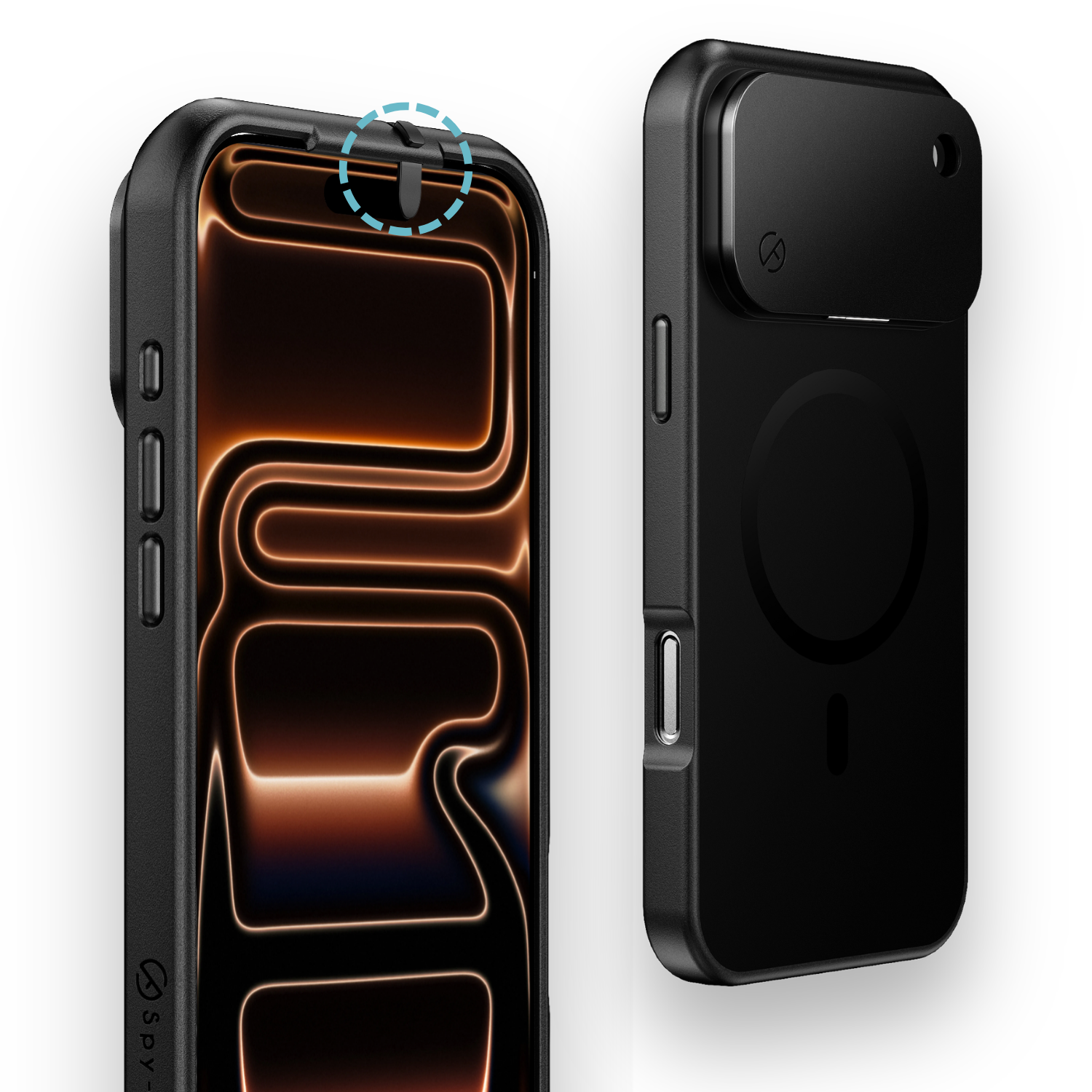
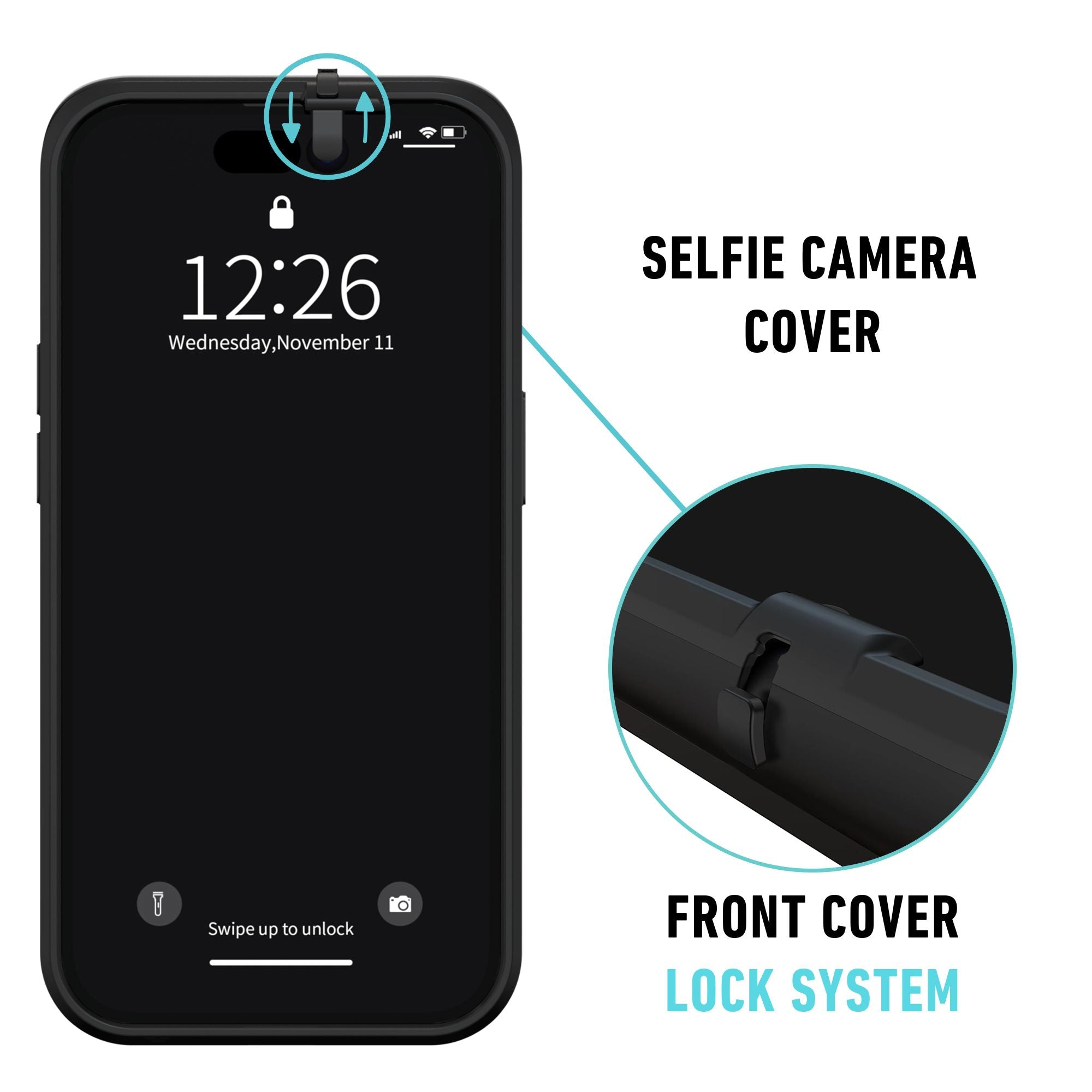
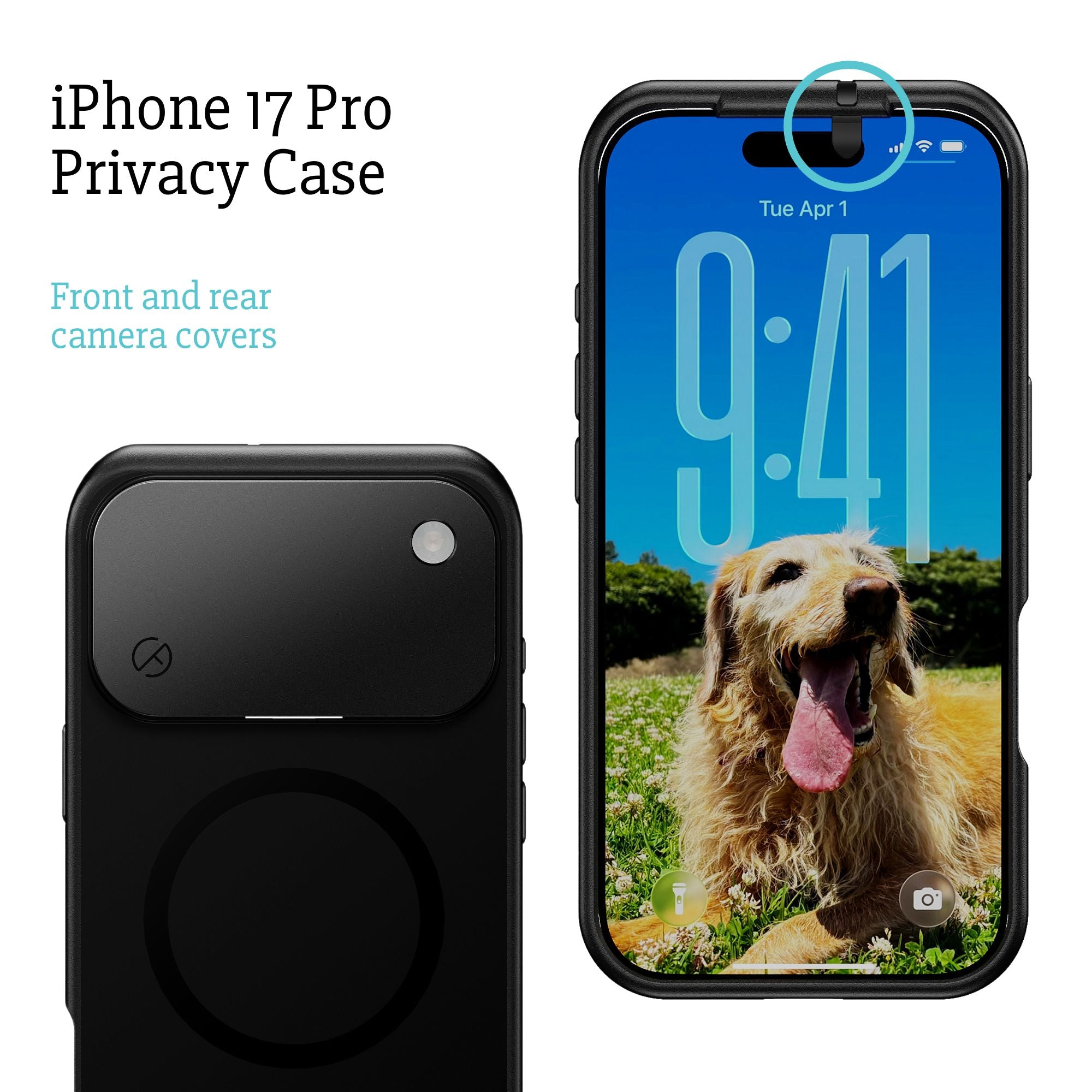
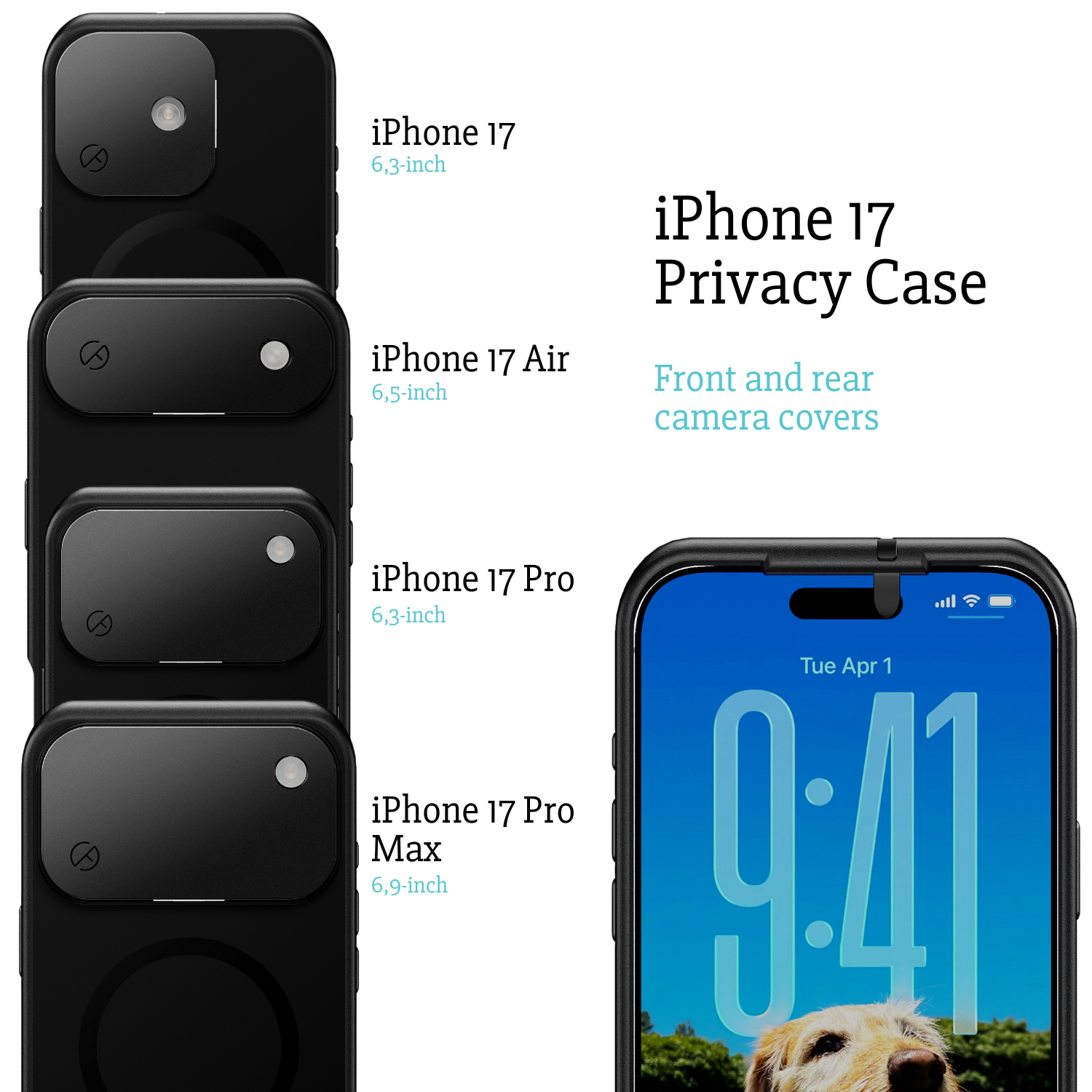
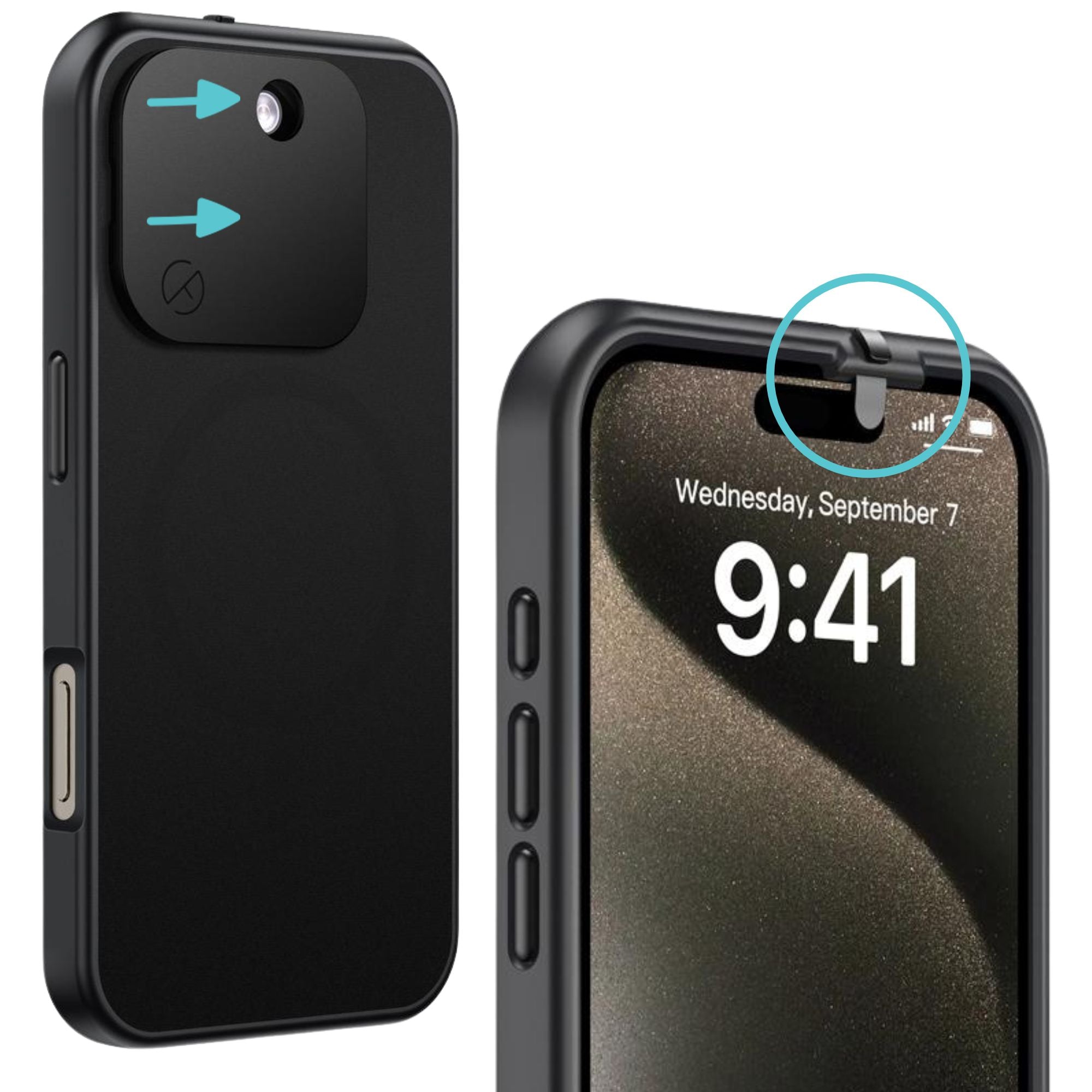
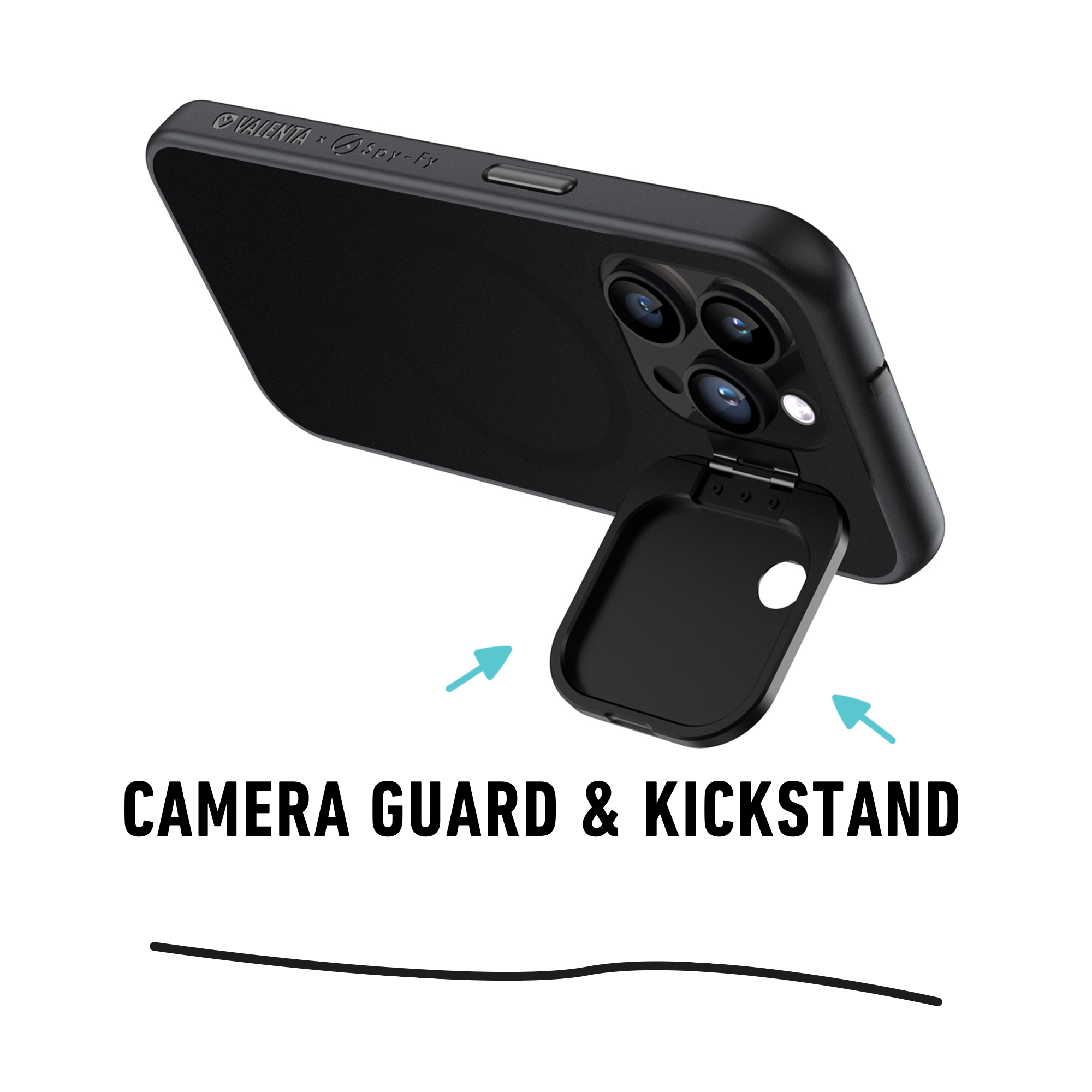
Do two things before your next drive. Seal the key you carry, and find the spare you forgot about. Spy-Fy's Faraday Bag for Phone, Laptop & Tablet handles both, and takes a phone when you want your own location off the air as well. The same physical-barrier thinking runs through the rest of Spy-Fy's hardware, including the privacy cases with built-in camera covers built for professionals who would rather block a signal than trust a setting.